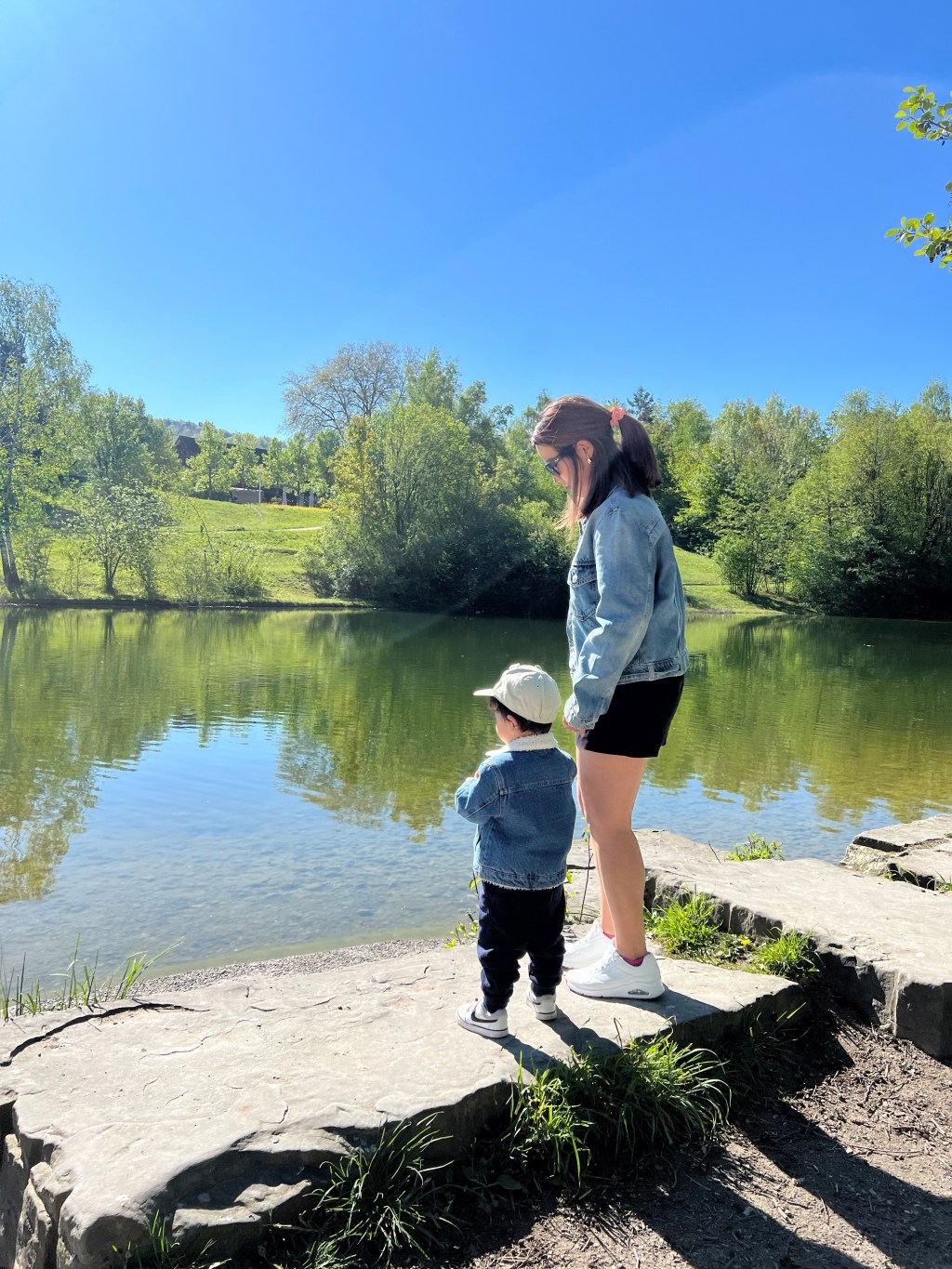
If you are expecting a sweet Mother’s Day post, you might want to skip this one.
My relationship with my mom was never easy, especially as I became an adult living abroad. It was only then that I fully understood the complexity of our bond.
My mom is the fourth oldest of eight siblings. Growing up in Phnom Penh, Cambodia, she survived the Khmer Rouge, one of the most brutal genocides in history. Fleeing to Germany in the ’70s, my family had to start from scratch. The hardships they endured at such a young age resulted in various post-traumatic disorders, including symptoms of PTSD like flashbacks, nightmares, hypervigilance, and emotional numbing.
War survivor immigrant parents often possess a survivor mentality, determined to rebuild their lives and provide a better future for their children.
Reflecting on my upbringing in Germany, I realize it is a privilege, although one I have come to understand with time.
However, cultural and generational differences in my family are obvious.
My mom is incredibly caring and kind to those she loves. She expresses her affection not through words or physical gestures, but through actions (and awesome food).
I know she is struggeling to control her emotions, though she would never admit it. Our differing emotional approaches—her being more expressive, me more rational—often lead to misunderstandings, a clash between Asian and Western cultures. She may see my sister and me as “cold” or distant, while I sometimes perceive her and my aunts as overly emotional or irrational.
I can often times feel her despise for the “westernized” version of me.
In many Chinese (or even Asian) families, regardless of your age, you are never treated as an adult. There is involvement in all kinds of decisions, and the expectation is that you will counsel the family before making any major choices.
I believe one of the main reasons I grew up in such a controlling environment is that my family experienced unpredictable circumstances where they had little to no control over their own lives. So having power over their kids’ lives gave them some sense of control back, I guess.

Being a mom myself now, I have a lot more empathy for my mom’s situation. While I did not experience war and hardship like her, I will never fully understand what it is like to become a mom under those circumstances or to raise children in a foreign country with the weight of traumatic experiences from your past while carrying those invisible scars.
Nevertheless, I recognize how those experiences shaped her as a person and influenced her approach to raising me and my sister —with resilience, strength, and ambition.
I have come to accept that ours may never be the “perfect” mother-daughter relationship. However, I believe love does not require perfection.
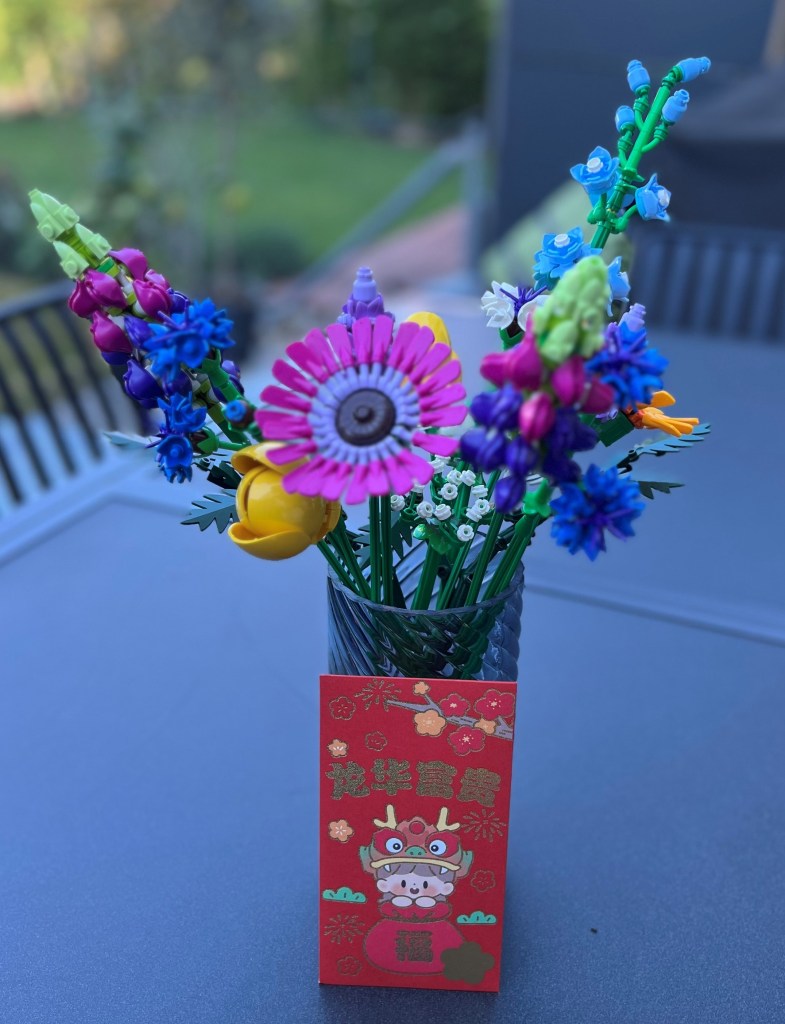
This Mother’s Day, instead of a traditional bouquet, my sister and I are gifting her a Lego Bouquet—low-maintenance and enduring. And, of course, a hong bao.

 jutheblog
Leave a reply to detwritus Cancel reply