
So, where are you from?’
‘I am Swiss.’
‘Oh, but you don’t look Swiss.’
‘Well… my father is Lebanese, and my mother is Chinese.’
‘Ah, okay, so you were just born in Switzerland.’
‘Actually, I was born in Dubai but raised in Switzerland.’
‘Are you a Dubai citizen then?’
‘Actually, no… You do not get citizenship in the United Arab Emirates as a foreigner. I was just born there. I have German citizenship.’
‘Wait, I thought your father is Lebanese and your mother is Chinese.’
‘Yeah, so my mom was born and raised in Germany. That is why I got German citizenship.’
‘Omg, wow, you are so exotic.’
That might be the conversation our son will have on his first date. I suppose that is the outcome of being a Third Culture Kid (TCK) – someone raised in a culture different from that of their parents and their nationality.
My story? Born and raised in Germany to Chinese parents who grew up in Cambodia before moving to Germany in the ’70s. My husband’s journey? Lebanese by birth, with a life story spanning across China, the USA, and France. We met in Germany and moved to Dubai in 2020, welcomed our son into this world, and settled in Switzerland. Welcome to our multicultural household.
Adapting to a new country has its own obstacles, especially when both parents come from different cultural contexts. It is a balancing act between keeping our roots and embracing the country that will form the backdrop of our son’s formative years.
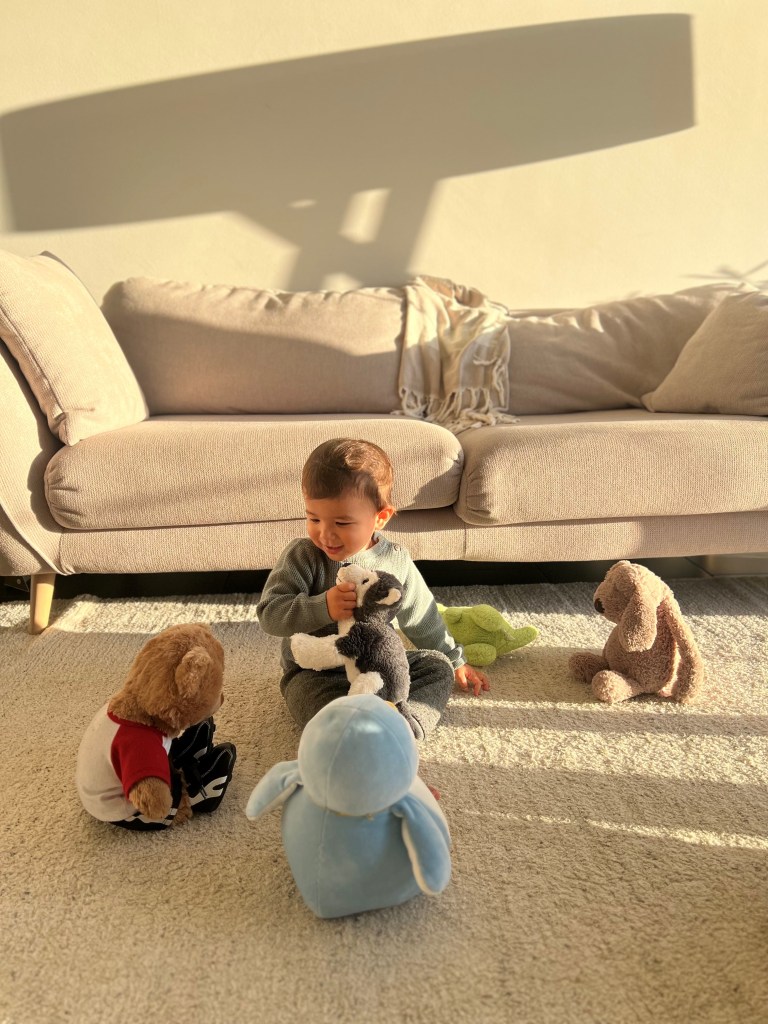
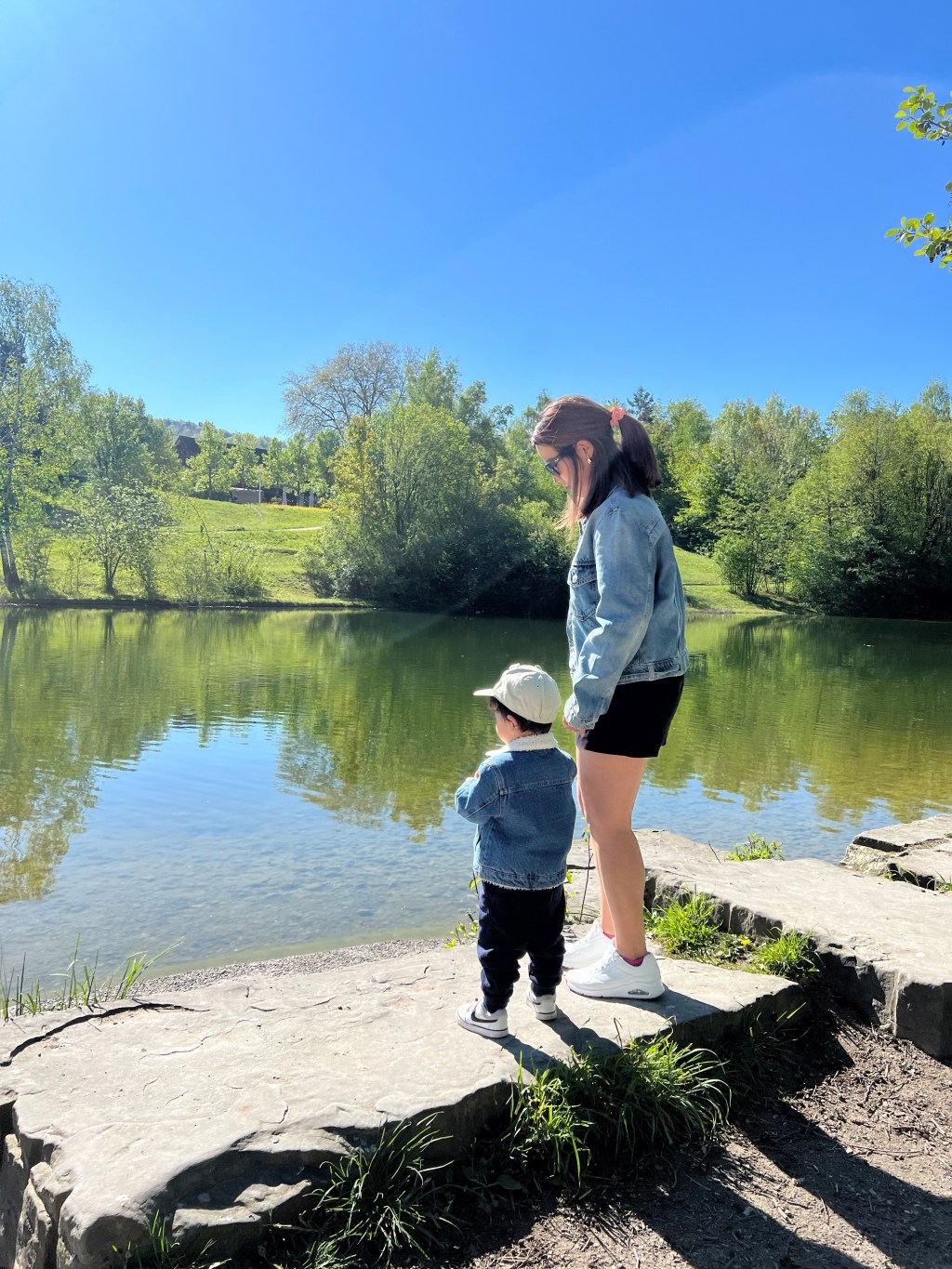
Our baby boy is now 16 months old, and I am here to share our experiences of navigating a multicultural family’s journey in a Western country:
Early Influences and Decisions
How did growing up in different cultures influence how we raise our son in a new country?
The beauty of our parenting journey lies in the blend of our diverse cultural backgrounds. It is like mixing Chinese discipline, German humility, and the warmth from my husband’s Lebanese background to raise our son.
When we moved to Switzerland, we realized this country would become our son’s hometown. However, navigating life in a country where neither you nor your partner are native might be difficult. There might be the tendency to isolate yourselves, just be by your family and known friends from your hometown. The challenge surfaces when raising a child in a place that will become his home, perhaps the most familiar place in the world for him.
As a second-generation daughter, my family’s journey from Cambodia to Germany over four decades ago had its own complexities. Despite speaking the language, my family never fully assimilated into German culture. This disconnect, I now understand, came from a desire to preserve their roots and cultural identity. Perhaps the fear of losing that identity held them back from fully embracing the culture they lived in, leading to a sense of disconnection with my cousins and myself, who have a Westernized mindset.
This experience has taught me the importance of fully engaging in the culture of the country we call home, especially for our son.
Parenting Challenges
What problems have we faced raising our son abroad, and how did we handle them?
One of the main challenges we have faced is embracing our specific culture while living in a foreign country.
I have experienced this firsthand. Despite being fully Chinese in appearance, I grew up entirely in Germany and never had the chance to visit China. There was no particular ‘reason’ for me to go to China as most of my family live across the world. The only connection to my Chinese heritage was through my family in Germany.
So, how deeply can I connect with my ethnicity? I think about our son, who might face the same disconnect, only having us as his link to his Lebanese and Chinese heritage.

We have found ways to expose our son to his roots through language, cuisine, and interactions with grandparents. Occasional visits to my family in Germany and plans to travel to my husband’s birthplace contribute to this exposure. Another possibility we are still working on is finding communities where we can meet other Chinese and Arabic expats.
Ultimately, we recognize that allowing our child to immerse himself in the cultures and his own identity around him is the most crucial point. We cannot force a deep connection to our parental cultures, especially as they grow up in a different country. Our role is to pass on as much as we can and appreciate the enriched cultural layer our children will have.
Cultural Upbringing
How do we balance and integrate different cultural aspects within our family’s daily life?
Food plays a pivotal role in integrating our diverse cultural backgrounds into our daily family routines in our home. Whether preparing Lebanese vine leaves together, eating Chinese noodle soup, or enjoying German pretzels or Swiss cheese, our meals are a fusion of cultures. Our lucky boy tastes a world of flavours right at our dinner table.
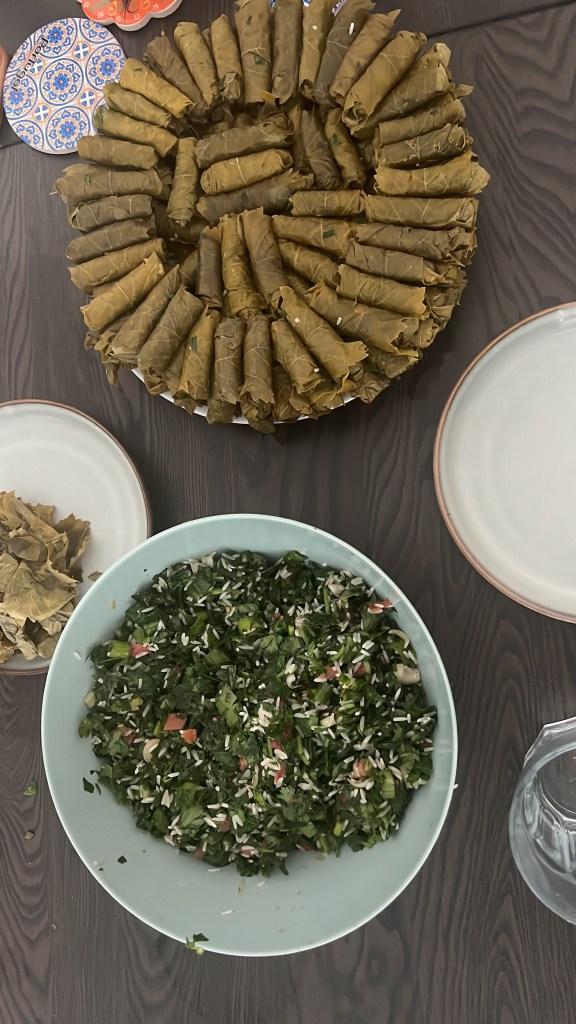
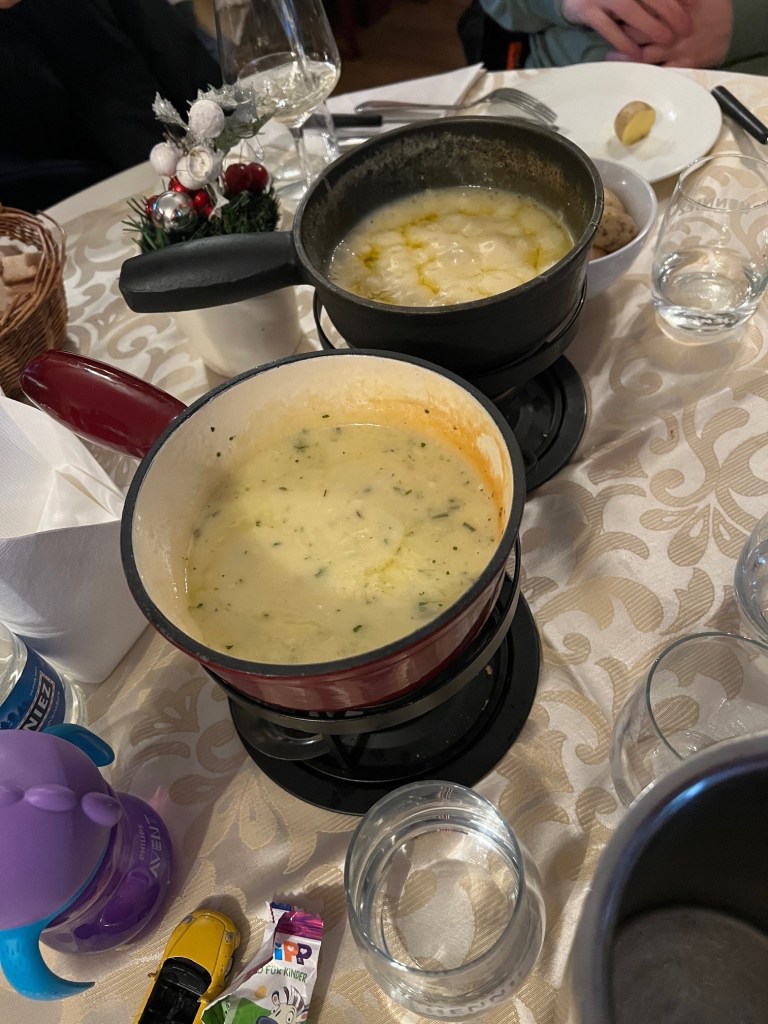

Beyond the kitchen, we have consciously integrated traditions into our daily routines. We are not strictly tied to every custom or holiday from our respective backgrounds. However, some celebrations hold more importance, like Christmas and Chinese New Year.
Simultaneously, we continually explore Swiss customs, whether participating in local festivals or understanding Swiss traditions like Sechseläuten or Fondue evenings. These moments enrich our family life, creating a beautiful blend of cultures in our everyday world.
Raising kids in a different country while living abroad allows you to discover and appreciate the culture through your child’s fresh perspectives and experiences.
Language and Communication
How do we help our son learn languages and develop his cultural identity in a place with multiple languages?
Raising our son to be multilingual is a shared goal for my husband and me. Some days, our son leans more towards Arabic, while on other days, Chinese captures his interest. It often depends on his mood or which words are easier to pronounce. Consistency in language teaching can be challenging, and repeating a word in Chinese countless times can be frustrating, only for him to say it in Arabic (much to my husband’s amusement).
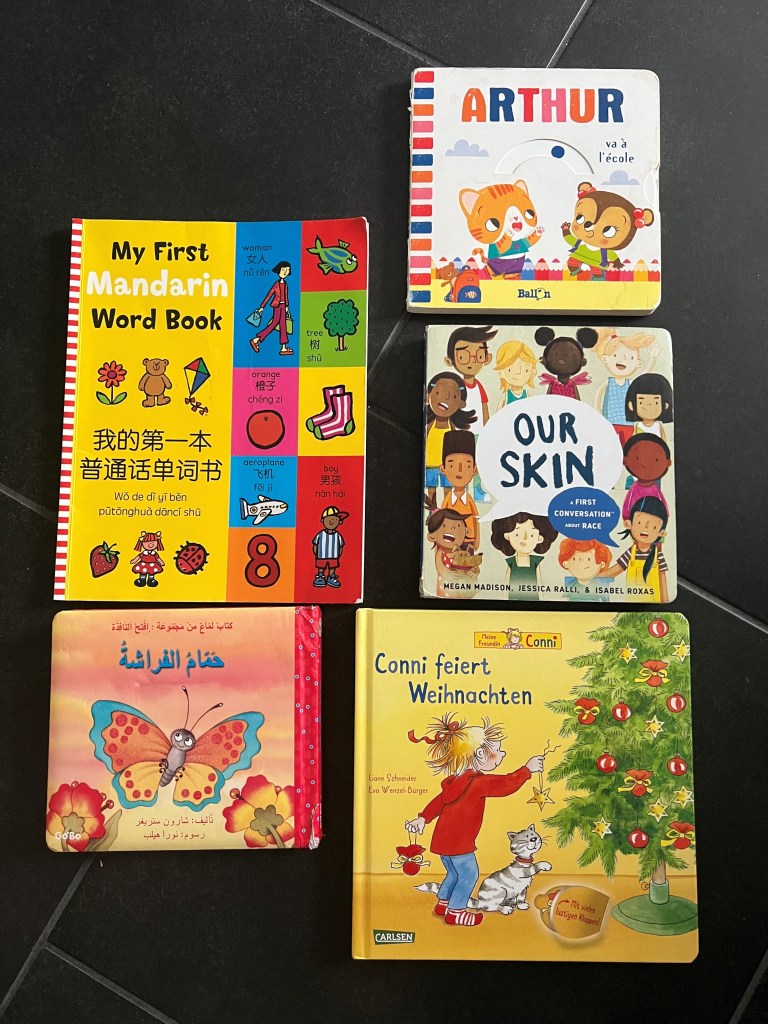
To nurture his language skills, we integrated books, music, and songs in our native languages into his learning. Interacting with his relatives who speak these languages also significantly reinforces his understanding that it is not just mom and dad speaking differently.
Starting young supports language fluency; even if they do not become fully fluent, they will have at least an understanding, making future language learning easier.
One aspect we are currently working on is providing opportunities for our son to interact with other Chinese and Arabic-speaking children. Fortunately, living in a multicultural city like Zurich exposes us to various cultures and diverse communities, facilitating these interactions.
Speaking the local language where we live is as important to us as communicating in our native tongues. Being German speakers in Switzerland, my husband and I luckily did not face language barriers. Our son naturally picks up Swiss German in his nursery environment.
If you are not fluent in the local language, I strongly encourage learning it. It is not just about communication and integration; it is essential to understand the language your children are growing up with.
Coping Strategies for Overwhelmed Parents
What advice would we give to expat parents with mixed kids feeling overwhelmed by different cultures?
Navigating multiple cultures, languages, and traditions can indeed feel overwhelming at times. Sometimes, I wonder if life might be easier within a monoculture, having a clear sense of ‘belonging’. However, I think about the incredible connections and experiences stemming from these multicultural layers within us. The diverse people we have met and the stories we have shared make this journey so meaningful.
Talking to other expat parents it is like finding a shared language. Our similar challenges and achievements remind us that we are all on this adventure together.
Let’s be honest—We do not have all the answers. Our son is still a toddler, and we learn as we go. There is no magic formula for raising a child, regardless of their mixed heritage. It is about embracing our family’s unique blend of cultures and staying open-minded and patient on this path.
Remember, there is no one ‘right’ way. It is about cherishing and sharing our cultural richness with our children, embracing the beautiful tapestry of cultures surrounding us.
So, do you feel more Swiss, German, Chinese, or Lebanese?’
‘I would say I am a bit like a Swiss Army knife – a mix of everything and equipped for any cultural situation!’


 jutheblog
Leave a reply to yufimukut Cancel reply